
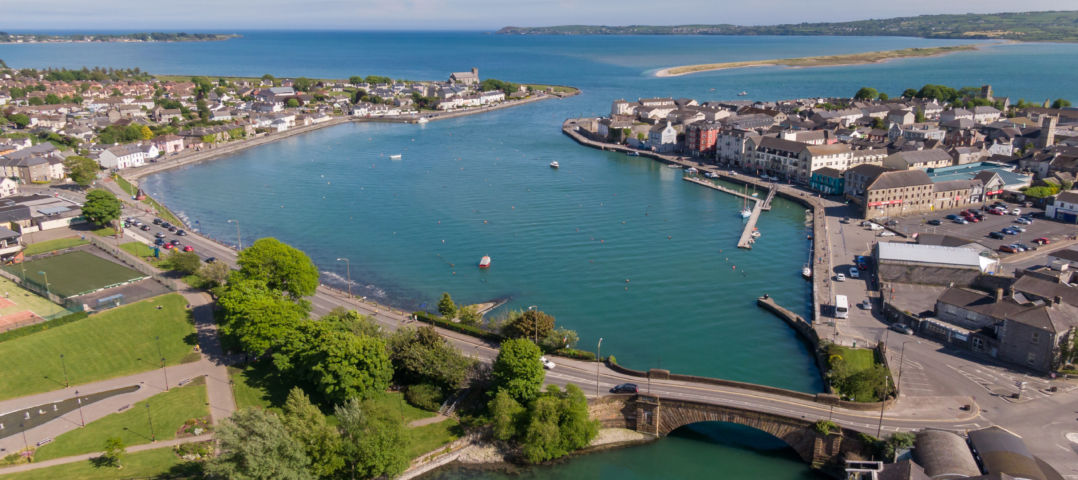

Dungarvan, a town that has everything. Let us help you find your dream home in the Sunny South East.
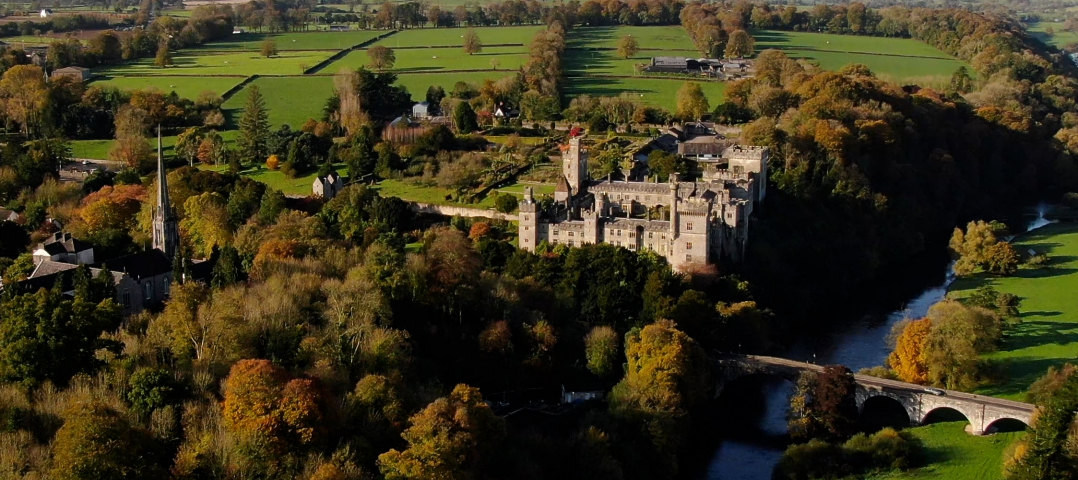
Lismore and its surroundings are home to Lismore Castle, Irish Seat of the Dukes of Devonshire, as well as many of the famed Great Houses of the Blackwater Valley. The Blackwater River itself is renowned for its fishing, while Ballyrafter House, just a short walk from Lismore, sits at the gateway to the Knockmealdown Mountains, which are much feted by walkers. The beaches at Youghal and Ardmore are close at hand.
Dungarvan Office
Brian Gleeson Property Ltd,
11 Friary Street, (St. Augustine Street)
Dungarvan, Co. Waterford,
Ireland.
X35 X499
Tel: +353-58-44200
Mobile: +353-87-2571737
Email: brian@gleesonproperty.com
Dungarvan Office Hours:
9am to 5pm – Mon to Fri
PSRA Licence No: 003462
Ardmore
Tel: +353-24-94777
Mobile: +353-87-2571737
Waterford
Tel: +353-51-349699
Mobile: +353-87-2571737
Brian Gleeson M.I.P.A.V. M.M.C.E.P.I. R.E.V.
Brian Gleeson Property are based in stunning West Waterford with offices in Dungarvan and Ardmore, County Waterford, Ireland. We service property markets all across West Waterford, County Waterford and East Cork. We also act as property brokers for clients. All property particulars and plans are given as a general guide only. Please read our terms of use and privacy statement for more details.
Website by: Déise Design